-
By EV Plug Pros
- 0 Comments
As electric vehicle adoption continues to rise across Colorado, one of the most common questions we hear is:
“Should I install a Level 2 charger or a DC fast charger?”
In 2026, the answer depends on how you use your vehicle, how long it’s parked, and whether you’re charging at home, at work, or for a fleet. This guide breaks down the differences and helps you choose the right solution.
Quick Comparison: Level 2 vs. DC Fast Charging
Level 2 Charging
- Best for homes and workplaces
- Uses a 208/240-volt electrical connection
- Charges most EVs overnight
- Lower installation cost
DC Fast Charging
- Best for fleets and high-traffic locations
- Provides rapid charging in minutes
- Requires higher electrical capacity
- Higher upfront investment
What Is a Level 2 EV Charger?
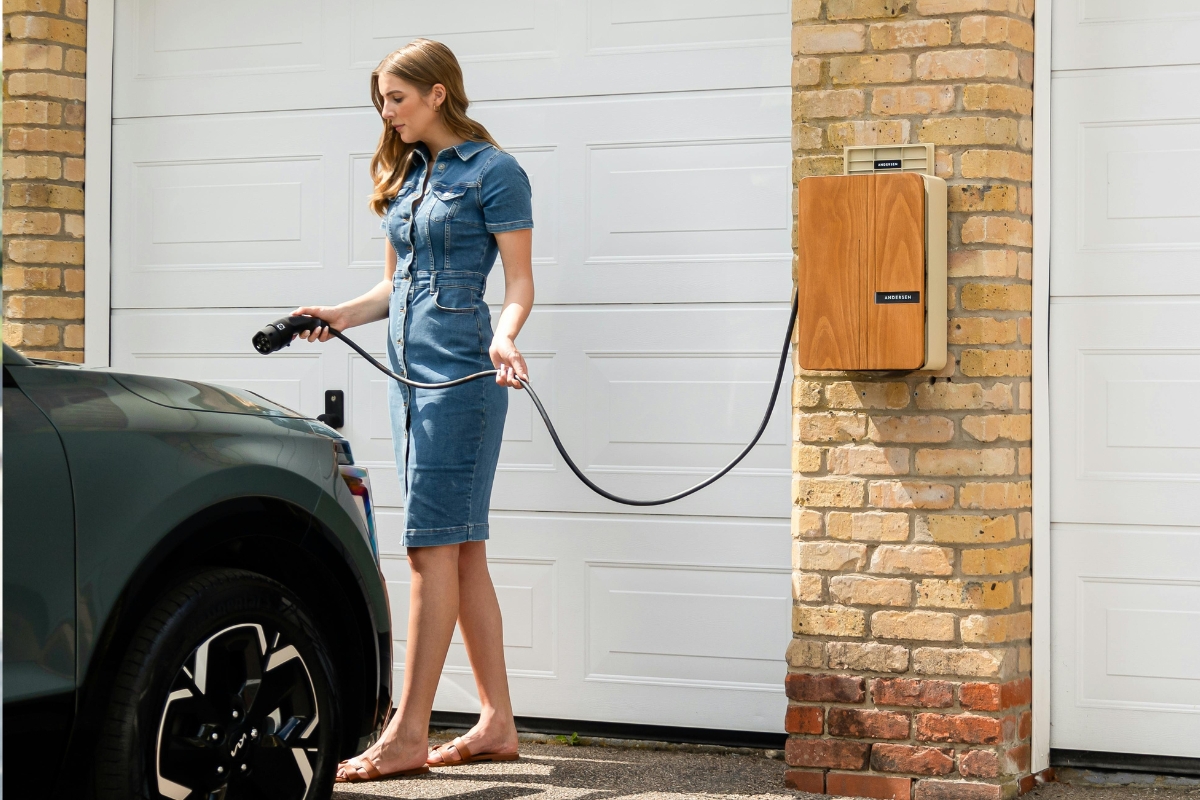
Level 2 chargers deliver power through a 208/240-volt connection—similar to an electric range outlet—and are the most common choice for residential and workplace charging.
Why Level 2 Chargers Work Well in Colorado
- Ideal for overnight home charging
- Faster than standard outlets
- Compatible with all EV models
- Eligible for utility and city rebates
Most Colorado homeowners can fully recharge their EV in 6–10 hours with a Level 2 charger.
What Is DC Fast Charging?
DC fast chargers supply direct current (DC) power at much higher levels, allowing EVs to charge quickly—often in under 30 minutes.
Where DC Fast Chargers Make Sense
- Fleet operations
- Commercial properties with short parking durations
- Retail and highway-adjacent locations
- Delivery and service vehicles
DC fast charging is a strategic investment rather than a daily home solution.
Which Charging Option Is Right for You?
For Homeowners
✔ Level 2 charging is almost always the best option
✔ Affordable installation
✔ Reliable overnight charging
✔ Simple, efficient solution
For Workplaces & Multifamily Properties
✔ Level 2 chargers support long parking durations
✔ Cost-effective for employee and tenant use
✔ Scalable as EV adoption grows
For Fleets & High-Use Locations
✔ DC fast charging minimizes downtime
✔ Supports operational efficiency
✔ Best for vehicles that must stay on the road

Cost & Incentive Considerations in 2026
Level 2 Chargers
- Lower installation and equipment costs
- Eligible for utility rebates and local incentives
- Lower ongoing energy demand
DC Fast Chargers
- Higher installation costs and ongoing costs (Utility Demand Charges)
- Eligible for state and fleet grant programs
- Requires advanced electrical planning
Understanding incentives can significantly impact total project cost.
Planning for the Future
In 2026, both homeowners and businesses are designing charging setups with future growth in mind. Installing infrastructure that allows for additional chargers later can save time and money.
Professional planning ensures your system is scalable and code-compliant.
How EV Plug Pros Helps You Choose the Right Charger
EV Plug Pros works with homeowners, businesses, and fleet operators throughout Golden, Denver, and the Colorado Front Range to design and install EV charging systems that fit their needs.
We help you:
- Evaluate charging demand
- Choose the right charger type
- Plan for expansion
- Navigate incentives
- Ensure safe, professional installation
Final Thoughts
There is no one-size-fits-all solution when it comes to EV charging in 2026. The right choice depends on how, where, and how often vehicles are charged.
Whether you need a Level 2 charger for your home or a DC fast charging solution for a commercial or fleet application, EV Plug Pros is here to help.